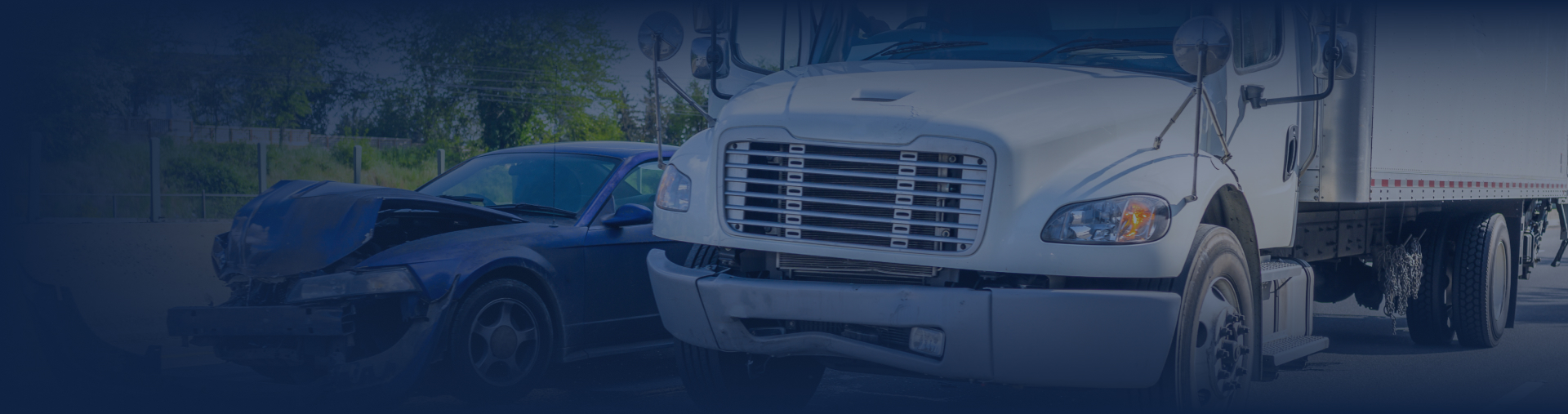
Truck Accident Investigation & Liability Analysis
Commercial truck claims often require evidence from several companies and systems, not just the vehicles involved. We investigate the crash mechanism, preserve available records, and evaluate how the driver, carrier, contractors, and other parties may have contributed.
A truck accident investigation may include:
- Electronic and physical evidence: We seek black box and onboard vehicle data, electronic logging device data, GPS records, accident-scene photographs, surveillance, dashcam footage, witness statements, and police reports.
- Driver and carrier records: We examine driver logs, qualification files, employment materials, dispatch records, drug and alcohol testing records, safety manuals, and internal communications.
- Vehicle and cargo records: We review inspection reports, maintenance histories, repair information, and records concerning cargo loading and securement.
- Technical analysis: We work with accident reconstruction specialists, trucking industry professionals, medical authorities, and other specialists when needed.
Identifying Potentially Responsible Parties
Truck accidents often involve multiple defendants, including the driver, trucking company, freight broker, maintenance provider, manufacturer, cargo loader, or shipper. Identifying each responsible party is critical in cases involving wrongful death claims.
Potential liability depends on the available records, ownership and maintenance arrangements, agency relationships, and conduct that contributed to the collision. A carrier may be responsible for its own hiring, supervision, dispatch, or maintenance decisions, while another company may be implicated by defective equipment, negligent repairs, or unsafe loading practices.
Commercial Trucking Regulations
Trucking companies and their drivers must follow applicable federal and state safety requirements. We examine compliance with Federal Motor Carrier Safety Administration regulations, the Texas Transportation Code, and other rules concerning hours of service, vehicle maintenance, inspections, and driver qualifications. A regulatory violation may support a negligence claim, but its legal significance depends on how the rule applies to the facts and whether the violation contributed to the crash.
Under Federal Motor Carrier Safety Administration hours-of-service rules, many property-carrying drivers may generally drive up to 11 hours after 10 consecutive hours off duty, within a 14-hour on-duty window. Exceptions and additional weekly limits may apply, so electronic logging device data, dispatch records, and driver logs must be interpreted in context.
Texas Laws Affecting Dallas Truck Accident Claims
Texas uses a modified comparative responsibility system. Compensation may be reduced according to a claimant’s percentage of responsibility, and recovery is generally barred when the claimant is more than 50% responsible. The allocation of responsibility is fact-specific and may be disputed among several drivers, companies, or other parties.
Under the Texas Civil Practice and Remedies Code, a personal injury or wrongful death lawsuit generally must be filed within two years after the claim accrues. Exceptions, shorter notice requirements, and special rules may apply depending on the parties and circumstances. The collision location, defendants, asserted claims, and available evidence can also affect venue and procedural requirements.
Complex Commercial Truck Accident Cases
A fully loaded commercial truck can weigh 80,000 pounds or more. The resulting force of a collision can cause severe, life-altering injuries or fatalities and lead to extensive damages.
A commercial truck investigation may examine driver behavior, braking and steering inputs, tire or brake failure, visibility, roadway conditions, cargo movement, and the sequence of impacts. Several contributing conditions may be present rather than one isolated mistake.
Some carrier records are maintained for defined periods, but the available records and applicable retention requirements vary.
Common Causes of Serious Truck Accidents in Dallas
In the Dallas area, heavy commercial traffic on corridors such as I-635, State Highway 114, and U.S. 80 may intersect with construction zones, changing weather, and demanding delivery schedules.
Many cases involve a combination of unsafe behaviors and systemic problems rather than a single mistake. A driver may be fatigued from being pushed to exceed hours-of-service limits, while the truck itself hasn’t been properly maintained or loaded. Distracted driving, improper lane changes, excessive speed, and inadequate training can contribute to jackknife crashes, underride collisions, and multi-vehicle crashes.
Carrier records may help show whether a company ignored warning signs or failed to correct known issues.
Issues commonly examined after a commercial truck collision include:
- Driver fatigue or hours-of-service violations
- Distracted, impaired, or unsafe driving
- Improper lane changes or failure to control speed
- Defective brakes, tires, steering, or other components
- Inadequate inspections or vehicle maintenance
- Improper cargo loading or securement
- Insufficient driver training or qualification
- Dispatch pressure or unrealistic delivery expectations
Dallas Truck Accident Claims & Local Procedures
As a Dallas-based firm serving the DFW Metro area and North Texas, we have experience with Dallas-area personal injury matters and local courtroom procedures. A claim may involve Texas courts, local filing practices, roadway evidence, commercial carriers, and insurers operating across the region.
Crashes on routes such as I-20, Loop 12, U.S. 75, I-35E, and I-30 may be documented by different law enforcement agencies or other entities. Which records exist, where they are held, and how they may be requested depend on the collision location and circumstances.
The appropriate venue and procedural requirements depend on where the collision occurred, where the parties are located, and which legal claims are asserted. We apply those details to the case without relying on assumptions about individual judges, juries, or expected outcomes.
Compensation in a Commercial Truck Accident Claim
Truck accident cases can produce economic and non-economic losses. The damages available in an individual case depend on proof of causation, the nature and duration of the injuries, financial documentation, applicable law, and the conduct of each responsible party.
A claim may include compensation for:
- Medical expenses, including documented future medical care
- Rehabilitation and related treatment needs
- Lost wages and diminished earning capacity
- Pain and suffering and emotional distress
- Permanent impairment or disfigurement
- Property damage and out-of-pocket costs
- Punitive damages when additional legal and factual requirements are met
We work closely with medical professionals, economists, and other specialists to assess the extent of the injuries and their financial effects. Future losses may require evidence concerning ongoing treatment, work restrictions, reduced earning capacity, or long-term assistance.
What to Expect After You Contact Our Firm
When you call Marchand Law, we begin with a no-cost consultation to discuss what happened and identify immediate concerns. We evaluate potential responsibility, possible defendants, available evidence, and the categories of compensation that may apply.
Our process may include:
- Initial case review: We discuss the collision, injuries, medical care, insurer communications, and records already in your possession.
- Evidence preservation: We may seek electronic logging device data, driver logs, employment records, inspection reports, maintenance histories, surveillance, dashcam footage, and other relevant records.
- Independent investigation: We coordinate accident reconstruction specialists, medical professionals, and vocational consultants when needed to document causation and longer-term effects.
- Insurer communications: We communicate with insurers and trucking companies on your behalf and address requests for statements, documents, or authorizations.
- Case development: We gather medical and financial documentation, analyze liability, and explain the likely stages and timeframes based on the facts.
- Negotiation or litigation: We prepare the claim for settlement negotiations or trial, depending on the evidence and positions of the parties.
A truck accident claim may move through investigation, medical documentation, negotiation, litigation, discovery, mediation, and trial. Not every case follows every stage, and timing varies with the injuries, number of parties, disputed issues, court schedule, and settlement positions.
Frequently Asked Questions
These answers provide general information about issues that may arise after a commercial truck collision.
Can a Passenger, Pedestrian, or Bicyclist File a Claim?
Potentially. Passengers, pedestrians, and bicyclists injured in a commercial truck collision may have claims against one or more responsible parties. Eligibility and available damages depend on how the collision occurred, the injuries involved, and the evidence connecting each party’s conduct to the harm.
What If the Driver Was an Independent Contractor?
A contractor label doesn’t automatically determine liability. The analysis may include the driver’s relationship with the carrier, who controlled the work, who owned or maintained the truck, and whether another company contributed through dispatch, loading, or safety decisions.
Can I Proceed If the Insurer Disputes Responsibility?
An insurer’s denial doesn’t necessarily end a claim. Police reports, electronic data, photographs, witness accounts, company records, and reconstruction analysis may provide additional evidence. Whether a claim can proceed depends on the complete facts and applicable law.
Will My Truck Accident Case Go to Trial?
Many claims resolve through negotiated settlements, but some proceed to trial when the parties can’t agree on liability or compensation. The path depends on the evidence, number of defendants, disputed damages, and settlement positions. We explain material developments and prepare the case for the stage it reaches.